

Every year, the American Library Association (ALA) observes Banned Books Week to raise awareness and advocate against challenged and banned books in the United States. This year it falls on Oct. 5 to Oct. 11, with the theme of “Censorship is so 1984”. The Week ends on Let Freedom Read Day, where the ALA hopes people can spread the word about the hardships librarians, publishers, educators and others go through when trying to fight censorship.
Though no books have been banned in 2025, it is still important to learn about the challenged books, and why they are challenged. Challenged books are books that are not banned on large scales, but are being restricted. Many of the common themes of challenged books are LGBTQ representation, critical race theory, non-traditional families, sexually explicit content and more.
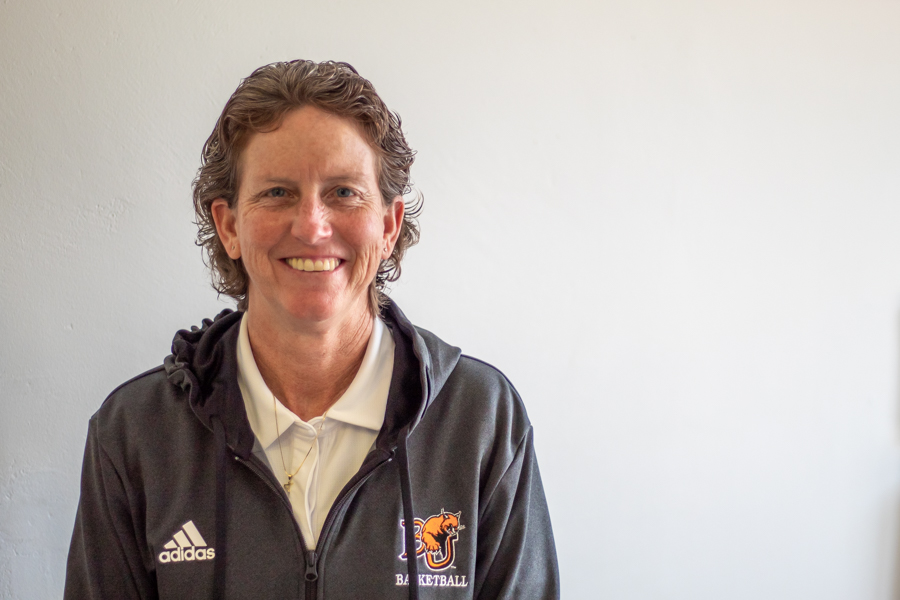
Director of Library Services, Melanie Massey, shares some of her thoughts on the importance of reading banned books.
“I believe in the power of bibliotherapy; reading can heal, teach, and let us escape into another world. Reading is therapeutic and can provide personal, academic, and professional benefits” Massey continues, “Reading decisions are based on individual preferences and I respect one’s right to choose their books. Reading banned books gives us insight into the past and current censorship climate.”
One way the faculty at Baker and staff of Collins Library work to teach about challenged and banned books is by letting students do projects about them, and promoting those books around the library.
“Our student workers and library team have created book displays and shared information via Instagram. Dr. Prosser’s Children’s Literature course students have created displays in the library as well” Massey said.
Getting students involved and educating them is one way educators are hoping to stop censorship in the United States. Though the efforts are slow, there is still hope to stop the banning of more books in the United States.
Overall, it is important to stay infrared during these changing times.
“We encourage everyone to stop by and check out the displays and check out a book that has been banned or challenged. Educate yourself by reading a book and exploring why it has been challenged” Massey said.
For more information, or to learn how you can personally help, visit your local libraries or look at ALA’s resources.