Whether it was a freshman visit, sitting through BK101, or discussing academic plans with an advisor, Baker students are routinely reminded to join one of the school’s many extracurricular activities. Baker University’s website says, “You’ll have no trouble finding your place, making friends, and creating a memorable college experience.” As it turns out, this is a highly studied topic at every level of the school system. One example is the UC Undergraduate Student Experience Survey (UCUES) hosted across all nine of the University of California campuses. The report from the 2022 installment, including about 60,000 students, highlighted that “Participation in extracurricular activities is positively related to higher sense of belonging, better academic satisfaction, higher GPA, and higher first-year retention.” What some students consider another notch on the schedule, has been proven to be beneficial on many levels.
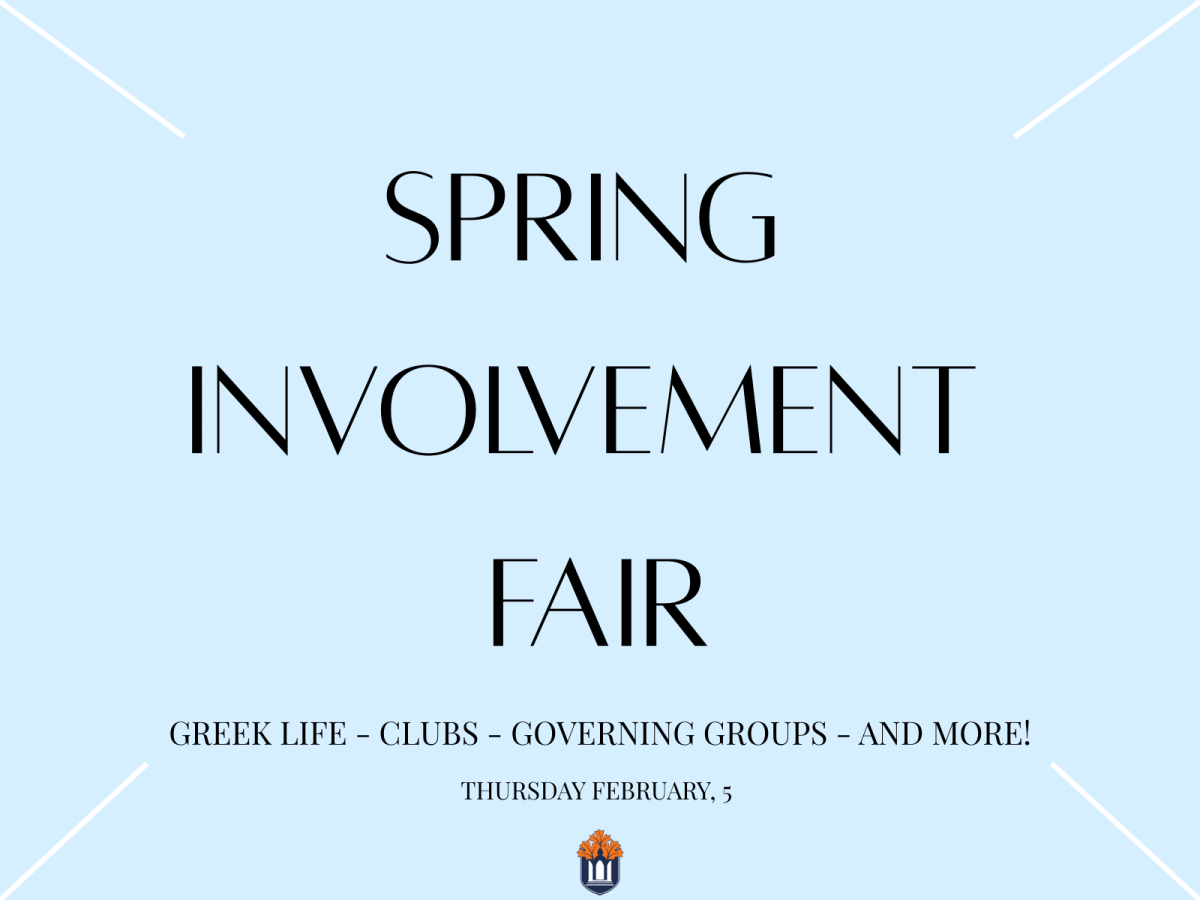
With Baker’s small undergraduate enrollment, and heavy focus on a personal and intentional learning style, extracurricular involvement is a point of emphasis. This is highlighted by the Involvement Fairs hosted at the beginning of both fall and spring semesters. Last semester’s event included “over 50 student organizations and local businesses” hoping to catch the interest of this year’s wave of new students. With students back on campus and settling into schedules, it’s the perfect time to have another involvement fair. This spring’s event had a higher focus on Baker specific groups and was hosted in the student union at peak dinner hours. From Fraternity and Sorority Life, to Fellowship of Christian Athletes, and clubs aimed at specific majors, there was something for everyone Thursday night.
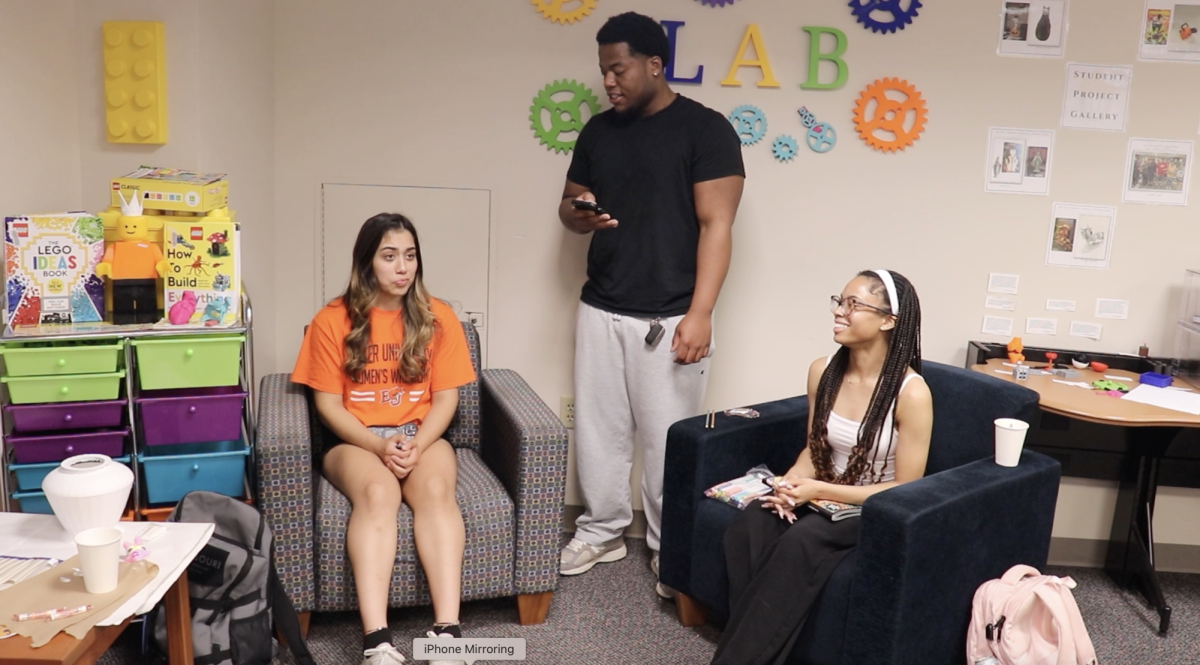
One of Baker’s most well-known student organizations, Student Activities Council, had a table ready to recruit the school’s best event planners and organizers. Making their second appearance at this year’s pair of Involvement Fairs, Kian Foster discusses how the SAC does more than just table at these events.
“We pretty much helped set up every table as well.” Regarding the Fair itself, “the tabling doesn’t work as well, but everybody knows us from the events.” Foster notes that students typically join after attending an SAC event and gaining interest. Just another aspect of the SAC that makes it stand out from the others.
One club that had success in the fall and is back tabling in the spring was History Club. Birgitte Theroff was not behind the table in the fall, but rather in front of it.
“I joined during that fair.” Theroff entered the fall fair “not really expecting anything specific” but has come to enjoy the History club’s “more relaxed environment.”
Delainey Barcus explains the History Club’s impact on members when meetings are out of session.
“Outside of the meetings, we also do fundraising events, and we go on historical field trips.” The history club also prepares members for postgraduate life. “We also partner with the Santa Fe Trail Historical Society. Every history club member is an honorary member of that society as well. We do events with them, we go to their yearly meetings, and they also offer us internships and work experience opportunities through their organization.”
For other clubs, the involvement fairs promise attention, but not the same amount of new members that other organizations receive. Jory Chappell with Alpha Delta Kappa, the organization built around education majors, recalls the fall involvement fair. “I think that we had people who were interested, but getting people to actually show up was the hardest part.” According to USNews, secondary education and teaching was in Baker’s “Ten Most Popular Majors for 2024 Graduates,” tied with mass media, international business, and human biology, with 4% of graduates. With a good population to get members from, Alpha Delta Kappa hopes to turn conversations into handshakes at this semester’s Involvement Fair.
Overall, the Spring Involvement Fair was a success, thanks to its carefully picked time slot and strong showing from Baker’s clubs and organizations. During the event, nearly every table gained interest from passing students and faculty alike. The University, SAC, and all groups involved created a strong environment, advocating for student involvement.