The Formula 1 season is on an unprecedented spring break, having no races occur from March 29 to May 1. Even though only three races have been completed so far, it seems like this season is already shaping up to be one for the history books.
The 2026 Formula 1 season was supposed to run from March 6 to December 6 with 24 races taking place during the time. However, just three races into the season, changes were made. The recent conflict in the Middle East has caused two races to be cancelled: Bahrain and Saudi Arabia. The two race weekends were scheduled for April, but the two cancellations has caused a chasm within the season where teams and fans have over a month to wait and prepare for the next race weekend on May 1 in Miami.
This month-long break has given way for teams to revamp and make important changes to the cars. 2026 started with the largest regulation change in Formula 1 history — new engines, new chassis, new power units, and new aerodynamics. The largest of these changes lies within the engines and power units as cars now have a 50-50 split between the electrical and internal combustion engines to power the car.
Aerodynamic changes have also occurred, with Active Aero taking the place of the Drag Reduction System (DRS) which affects the wings and movement capabilities of the car. The boost button has been put in along with overtake mode to utilize the new batteries to their fullest potential, giving the car an extra energy deployment to make it go faster. These changes, along with new size restrictions to make the car smaller, have completely revamped the Formula 1 vehicle.
The new season also brought changes to the competition. The Sauber F1 team rebranded to Audi. The former Sauber team struggled in recent years with funding and performance issues, but the rebranding to the Audi team brings in more money and resources for the team to use at its disposal. Cadillac also joined the field, changing the amount of teams from 10 to 11. The all-new American team has struggled so far within the season, but that is par for the course when new teams join the paddock and start completely anew. However, as both teams adapt and learn, success could come in the future.
Even though the season has only consisted of three races so far, it’s already brought much discussion to the forefront. Mercedes has won all three races so far, with George Russell winning the first race and teammate Kimi Antonelli winning the next two. Ferrari has also shown promise after a disappointing season last year, as at least one of their drivers have finished on the podium in each of the three races. With these results, Mercedes has started an early lead to run away with the Constructors Title. It has also given Antonelli the lead in the Drivers Title, making him the youngest driver to ever lead the standings at just 19 years old.
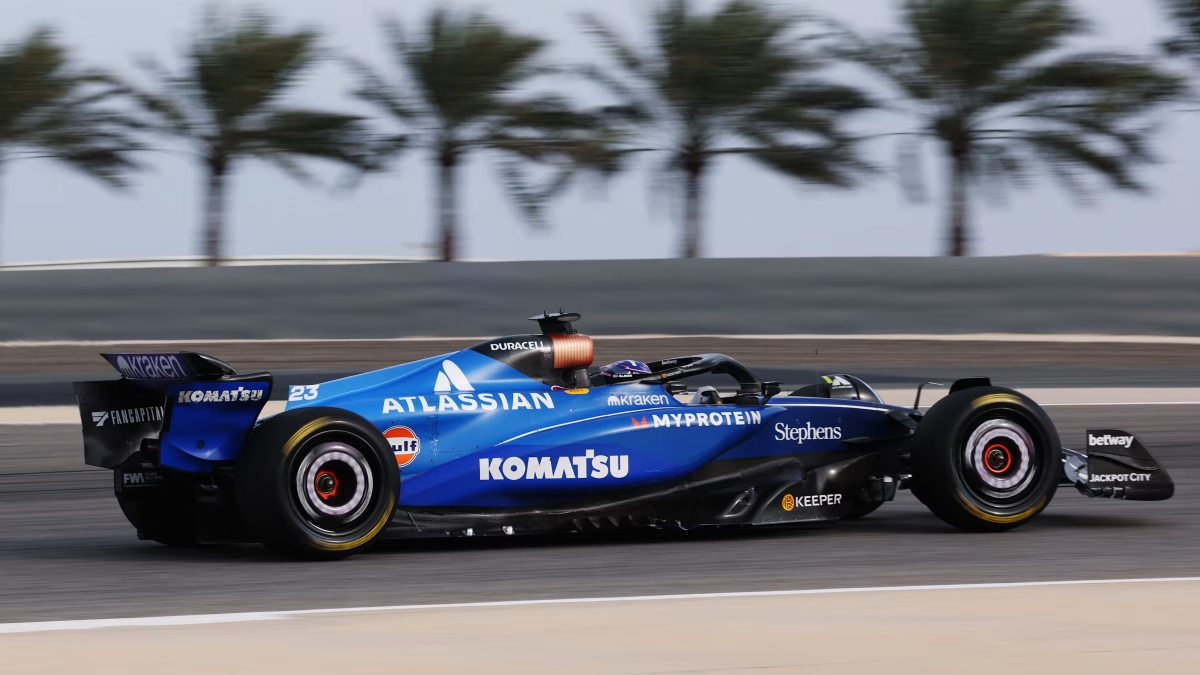
But the season has not avoided controversy either. Four-time champion Max Verstappen has been outspoken about his distain towards the new regulations. He said, “It’s not fun at all. It’s playing Mario Kart. This is not racing.” in a press conference after the Chinese Grand Prix. Williams looked promising coming into the season, but missed out on the preseason shakedown and has since dealt with multiple car issues that have put them at the back of the grid. Aston Martin has also seen problematic car issues surrounding the engine and safety of the drivers, causing them to compete with Williams and Cadillac for last place on the grid.
So far, the 2026 Formula 1 season has brought many ups and downs. Controversy has not been avoided, mainly in the categories of regulations and team difficulties, and yet excitement and promise still circulates around the sport. But with an unexpected five-week break currently taking place, the teams and drivers have been given extra time to deal with issues and changes, which can see the grid looking completely different by the time the Miami Grand Prix is upon us. Only time will tell how the season will play out.